Mole trap - QuickTaupe
Buying the Best Affordable Mole Trap: Tips for Finding an Effective Trap
In this article, we’ll guide you on which mole trap you should buy. Instead of just one model, we’ll recommend several traps based on criteria you can use to find the best option for your specific needs.
There’s a wide variety of mole traps on the market, and it’s up to you to choose the right one, using the key points we’re about to provide.
An effective solution for mole control.


All of this advice comes from a professional mole catcher who began his journey as a teenager in his own country garden and turned it into a career. It’s all based on common sense and has been proven effective in the field for years.
1.Mole Trap Autonomy
The first thing to consider when buying a mole trap is whether you want a standalone model or one that requires batteries, or even firecrackers.
A standalone trap gives you the freedom to set it and forget it, knowing it will catch moles whether you’re there or not. You also won’t have to worry about batteries dying or power issues.
Standalone traps are generally the best choice because you won’t need to buy additional supplies to keep them working.
A firecracker trap, for example, is very effective but not autonomous. You have to purchase a new firecracker every time you want to reuse the trap.
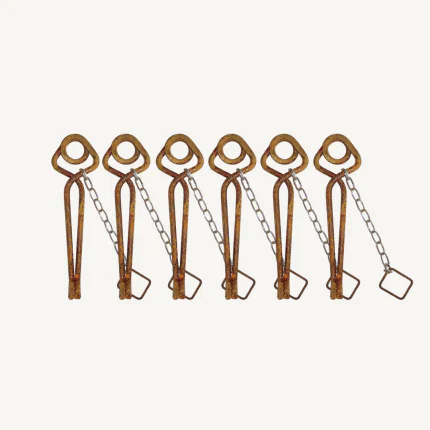
The most autonomous traps are scissor traps, Putange traps, or those powered by solar energy.
2.Choose a Trap That’s Easy to Use
Our second tip is to pick a trap that’s simple to operate. Before you buy, remember that you’ll likely use it more than once, as a garden rarely has just a single mole.
Many standalone traps are actually quite impractical. Some have much more complicated mechanisms than others, despite performing the exact same job. For example, the Volex mole trap is less convenient to use than a Putange trap, even though their basic function is the same.
Simple traps include Putange and scissor traps, as well as natural products like castor bean meal or solar traps that you simply plant in the molehill.
3.The Durability of Your Trap
A good mole trap should be robust and, if possible, made of metal. Before you buy a mole trap, ask yourself these two questions:
- Is the trap I want to buy solid ?
- Does it stick out of the ground and could a child accidentally break it ?
Some mole traps are designed to be fully buried in the mole’s tunnels or molehills. These are usually made of steel or copper, so you won’t have to worry about durability.
Other traps are made of plastic, such as the anti-mole tunnel or the rifle traps that use firecrackers. There are also traps that can sit above the ground.
These are important factors to consider. This doesn’t mean these traps are bad, but you do need to think about whether people could walk over them. If your property doesn’t get much foot traffic, then there’s no risk in buying these types of traps.
4.Prioritize Mole trap Safety
Among all the mole traps available, some are more dangerous than others.
For example, the Detaupeur is a mole trap sold online that requires you to wear noise-canceling headphones, gloves, and protective glasses when handling it. As a general rule, firecracker traps should always be handled with caution.
Another highly effective anti-mole solution is often underestimated for its danger. Castor bean meal, a natural fertilizer that repels moles, is one such example. This product is easy to buy, but just a few seeds are enough to kill a child if ingested and can make your pets very sick.
Before buying a mole trap, you must consider your surroundings and anyone who might be near your traps. This is a crucial detail that is often overlooked.
5.Pick a Trap Based on Your Goals




Ready to fight back against moles? Check out our top-sellers!