Mole
Is a Mole Hemophiliac? Fact or Fiction?
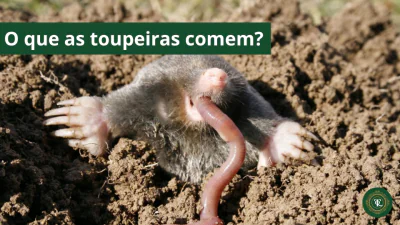
A mole is a pesky critter that lives under your lawn, creating those annoying dirt mounds everywhere. Are you asking if moles are hemophiliac because you want to get rid of them by putting glass shards in their tunnels? Or are you simply curious about it?
I’ll answer your question, but first, let’s understand exactly what hemophilia is.
An effective solution for mole control.


1.What Is Hemophilia?
Hemophilia is a blood clotting disorder found in all mammals. In affected mammals, a wound heals with great difficulty, and the blood, which struggles to clot, flows much more freely.
It’s a hereditary condition caused by a deficiency of factor IX. The disease is characterized by spontaneous or prolonged bleeding due to this clotting deficiency.
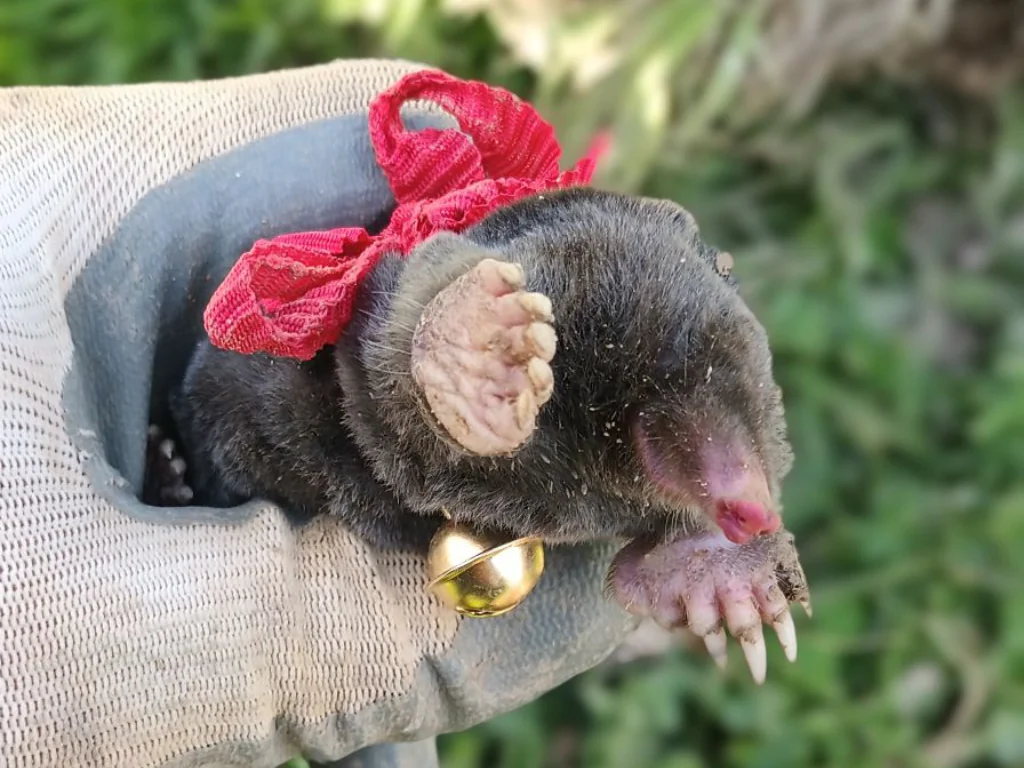
If a mole were hemophiliac, a simple cut or scrape could cause it to bleed out and almost certainly die. If a mole can’t heal, all you would have to do is injure it to kill it.
Are Moles Hemophiliac?
Contrary to what many people believe, a mole is not hemophiliac! This rumor likely comes from a misunderstanding of their behavior and biology. Moles have perfectly normal blood clotting and don’t have any issues in this area.
There is no scientific proof that moles have hemophilia.
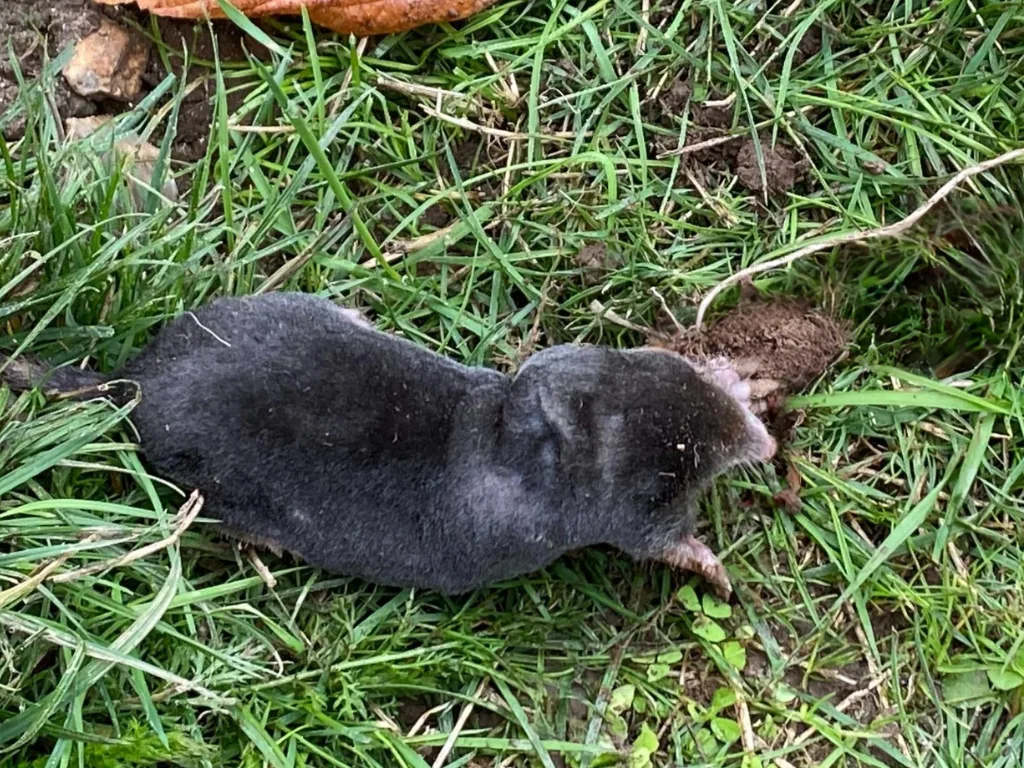
Moles have twice as much blood and hemoglobin as other mammals of their size. Since they live in tunnels with low oxygen and high carbon dioxide, their lungs are also twice as large, which prevents them from suffocating.
Moles have evolved underground, and this evolution has adapted their respiratory and circulatory systems to their subterranean lifestyle. Despite the fact that moles have more blood and hemoglobin, they are not hemophiliac.
If moles were naturally hemophiliac, it’s hard to imagine how they could survive in such a hostile underground environment. Their young would also be born with the condition, and the slightest injury would put their lives at risk. When you think about it, the idea doesn’t make any sense. On the contrary, moles have a very powerful immune system.
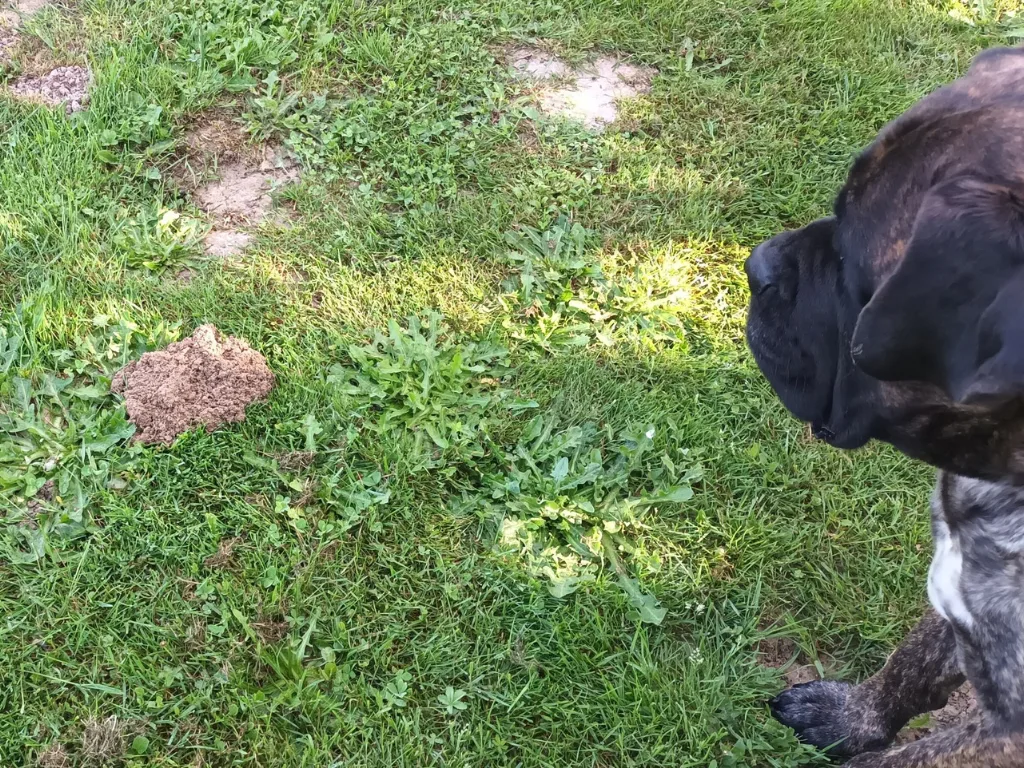
If this myth has any roots, I’d point to two things:
Find the perfect kit to solve your mole problem for good.
- First, the fact that old-time gardeners used to put glass shards in mole tunnels.
- Second, it’s not uncommon to find dead moles with traces of blood, but this is usually the result of a fight between two males over a female.
Neither of these facts makes a mole hemophiliac.
2.Why Does the Myth Persist?
The myth of hemophilia in moles persists because of our general lack of knowledge about their way of life. They are pests we rarely see, so we don’t know much about them.
In the past, as everyone remembers, gardeners would place glass shards in underground tunnels and molehills, supposedly to kill the moles.
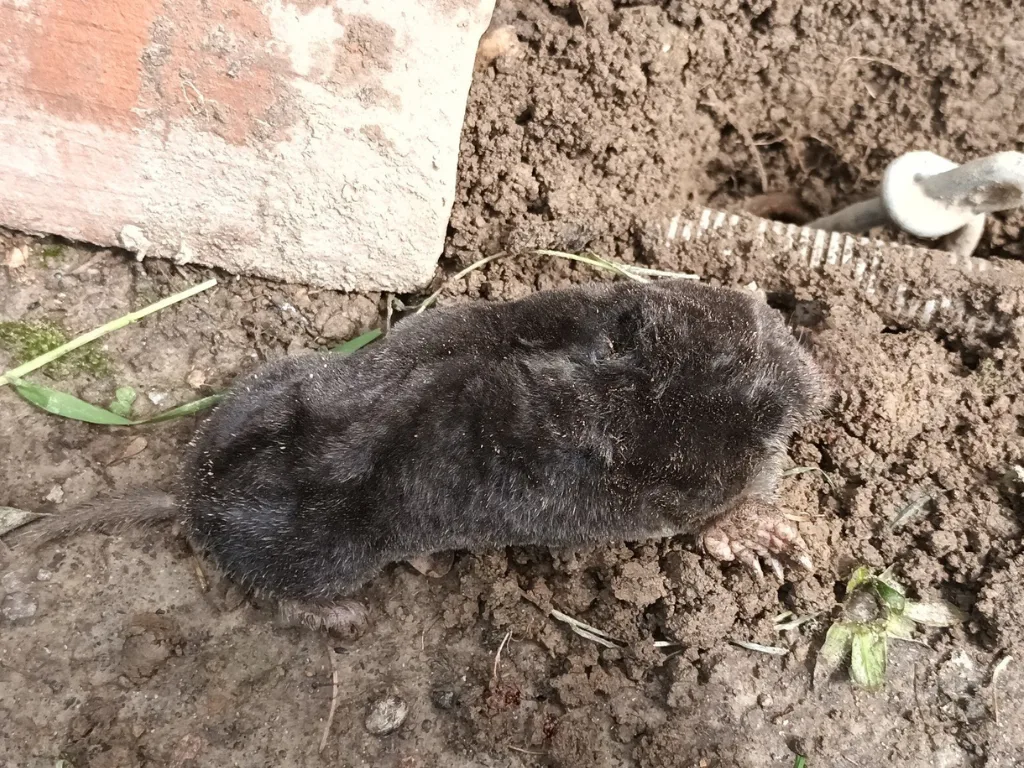
But we now know that moles are not hemophiliac, so they don’t die from encountering glass shards.
This method was likely just a way to scare them off. Even if the glass shards don’t kill the mole, if it cuts its paw, it will probably go somewhere else. The mole won’t come back to dig where it got cut.
So, putting glass shards in a molehill with the belief that you’ll kill a mole because it’s hemophiliac is a mistake. However, if your goal is simply to bother it and make it leave, it might work.
But this method is very crude and far less effective and lasting than simply trapping the moles to get them to leave.
3.Conclusion
So, a mole is not hemophiliac at all. Even though we know this, some people still try to kill them with glass shards today. It’s better to opt for a trap—a truly effective solution to the mole problem that doesn’t cause them to suffer.
Ready to fight back against moles? Check out our top-sellers!