Water vole
Water voles: how to identify them and get rid of them
Vole Rats: How to Identify and Get Rid of Them!
Although they are often overlooked, vole rats can cause incredible devastation in gardens and on farms. They share a lifestyle with other burrowing mammals, but you need to pay close attention to them before they turn your beautiful garden into a minefield of holes.
The problem with animals like the vole rat is that they live underground. No one really knows what their lives are like, what their tunnels look like, or how to get rid of them. That’s exactly why we created this guide.
An effective solution for mole control.


Here, you’ll learn everything you need to know about vole rats and how to get rid of them for good. We’ll show you case studies from clients who contacted us feeling completely desperate about an invasion, and you’ll see firsthand what these little pests are capable of.
How to Easily Identify a Vole Rat
These destructive rats go by many different names, including:
Vole rat
Water rat
European water vole
Arvicola terrestris
Large vole
Swimming vole
Despite all these names, they all have the same key physical characteristics.
Physical Description
The vole rat is a rodent that lives and forages underground by digging tunnels. Also known as Arvicola amphibius, it measures between 15 and 25 cm long, including a 6 to 7 cm tail. With a rounded body, it is less elongated than a city rat. It typically weighs between 100 and 300 grams and has beige, brown, or tan fur. It can devastate large areas of land very quickly.
Habitat, Behavior, and Diet
The vole rat is a strict vegetarian, which is what makes it so destructive. Moles, for example, are carnivores that feed on earthworms and rarely damage plants. Vole rats, on the other hand, eat vegetation. So, if you grow crops, have a vegetable garden, or a property with trees, flowers, or other plants, the vole rat could become your worst enemy.
Generally, they stick to eating roots, bulbs, tubers, and any other plant part found underground. They can even gnaw on the roots of trees. Vole rats chew on everything, often very discreetly, and can destroy your garden from beneath without you even realizing it. You might not notice until you pull up your beetroots and discover that only the outer layer is left.
Here’s an example from a desperate client who contacted us:

When a vole rat digs its tunnels, it pushes the soil out in mounds. These mounds look similar to molehills but have a few key differences:
The mounds are more scattered, making it difficult to figure out the tunnel system under your lawn.
The soil in the mounds is finer.
Their entire tunnel network is completely disorganized.
What’s the Difference Between a Vole Rat and a Mole?
Don’t confuse a vole rat with a mole; the two animals are completely different. You can already see some structural differences just by looking at the soil mounds in your garden.
If you can see clear paths or lines of connected mounds, you most likely have a mole. If the mounds are scattered and seem to go in all directions, you’re dealing with a vole rat.

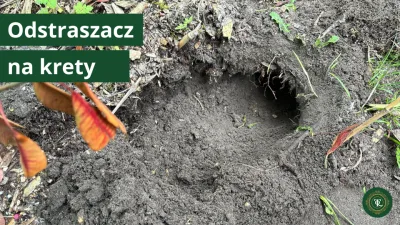
That photo you just saw shows the openings to a vole rat’s underground network—something you will almost never see with moles. Moles never leave their tunnels open like that.
Even without seeing the animals themselves, you can tell the difference between a mole and a vole rat with a little knowledge about them.
What kind of damage can vole rats cause?
Vole rats are extremely destructive rodents. With up to 1,000 per hectare and a rapid reproduction rate, you can only imagine the damage they cause once they settle in. It’s crucial to act fast to control the invasion before it gets out of hand.
A vole rat’s daily food consumption is equivalent to its own body weight!
When a plot of land is overrun by these voles, its crop yield quickly drops to zero.
Crop Damage
We’ve already shown you some photos of crop damage, but we’ll share more. All of these pictures come from clients whose fields, crops, and gardens were completely destroyed by a rodent infestation.
Here, you can see a parsley crop where nothing is left. The plants are dying for no apparent reason, but we know it’s because vole rats have eaten their roots. Just look at the difference between the plants. The dying parsley has no roots left at all.

The yellowing parsley is dead because its roots were eaten by a vole rat.
If you lift the plants from the soil, do you want to see what’s left of the roots? Absolutely nothing.

Ground collapse
Another problem with vole rats is that as they relentlessly dig tunnels in every direction, the ground will start to sag. You could trip and fall into a hole, twist your ankle, or even suffer a more serious injury.
Some online forums have reports of people breaking their ankles when underground tunnels collapsed under their feet. So, in addition to destroying your property, they also pose a risk to you, your pets, and your children.
Methods for Eliminating Vole Rats
When it comes to fighting vole rats, you’ll hear about many different methods, but they are not all equally effective. For instance, plants believed to repel vole rats are completely useless, and you will never get results from planting these kinds of flowers:
Wormwood
Tansy
Find the perfect kit to solve your mole problem for good.
Common rue
Spurge
Incarvillea
Castor bean
Instead, you should turn to traditional solutions, like the good old Putange trap.
Introducing the Putange Trap
The Putange trap dates all the way back to Louis XIV. His gardener used it at the Palace of Versailles to get rid of moles. It was also used to control vole rats, which have a similar lifestyle and underground tunnels.
The advantage of this trap is that it’s very robust and doesn’t wear out. It’s also very thin, which allows it to slip into tunnels and quickly catch vole rats. When used correctly, it allows you to kill vole rats humanely, without making them suffer.
The Putange is a traditional, copper trap made in France. It is 100% mechanical and requires no batteries, solar panels, firecrackers, or any other chemicals.
We could suggest traps like the détaupeur or other vole traps, but you’ll always get weaker results than you would with a good old Putange. So, get yourself some Putanges and start trapping!
How to Use the Putange Trap
As soon as you receive the Putanges, age them in the soil so they don’t have the smell of new metal. Otherwise, the water rat will smell it and find its way to other tunnels. Since vole rat tunnels don’t have large, obvious corridors, you should plan to use several traps—at least ten to start.
If you don’t want to wait three weeks to age your traps in the soil, you can get pre-aged ones from our website. This will save you time and ensure you get results. Be careful, though, as there are Chinese counterfeits of these traps online, and it’s impossible to tell the difference from a photo. At Quicktaupe, you won’t have that problem.
Once the traps are aged, you need to set them by placing the trigger about one finger-width from the end. That way, when the rat moves through the tunnel, its head will hit the trigger and it will be caught with a quick snap, without suffering. If you don’t set the trigger as we’ve instructed, the rat could get caught in its belly and suffer a lot before it dies.
Set several traps and head for the visible tunnels you can see. If you don’t see any, just dig around a mound of dirt, and you’ll find them.
Push the trap deep into the tunnels you find and come back the next day to check them. Vole rats live in pairs. If you catch one, reset the traps the next day to catch the other.
Furthermore, it’s highly likely that you have more than two vole rats in your garden, so keep resetting the traps until you no longer see any damage to your property or crops.
Keep resetting your traps as many times as necessary to catch these underground rodents.
Calling in professionals
Another option for getting rid of vole rats is to hire professionals. There are many of them, and you can find them in professional directories… but you’re already here, reading this article from QuickTaupe.
We can help you get rid of vole rats by coming to your home directly or by providing you with the equipment and remote training. The second option allows you to manage the vole problem yourself and know how to handle it the next time it happens.
This way, you’ll be completely independent, you’ll have the equipment and the method, and if you have any questions, need advice, or even an emergency intervention, we will always be here to help you.
We know how much a vole rat invasion can destroy your projects, which is why we are extremely responsive to your requests.
Don’t hesitate to contact us for a quote based on your situation.
Legislation and ethics in vole rat control
Regulations on Trapping Vole Rats
Vole rats are rightly considered pests, so you are legally allowed to trap them. However, the use of chemical or polluting products is regulated. You should only use them if you have the necessary certifications.
We will always recommend Putange traps over polluting products for controlling voles.
In France, for example, the management of vole rats falls under the Environmental Code and the Rural Code. These laws regulate the use of traps, poisoned bait, and biological control methods.
Some prefectures may also classify the vole rat as a pest, which authorizes farmers to implement collective control plans.
The use of mechanical traps is often permitted, provided they are used in a way that respects animal welfare and local regulations.
Ethical considerations for vole rat trapping
The hunting and trapping of vole rats must be done in accordance with ethical principles related to animal welfare. Even though they are considered pests, the methods used to capture or eliminate them must minimize animal suffering.
Humane Trapping: Using traps designed to kill the animal instantly is preferred to avoid prolonged suffering.
Avoiding Chemicals: The use of poisons or toxic products should be limited or prohibited, as this can lead to a slow and painful death and contaminate other species in the ecosystem.
Any effort to control vole rats must consider the impact on local ecosystems. The advantage of the Putange is that it only traps the species you’re targeting, not other animals, and it does not harm the environment.
Preserving Biodiversity: You should avoid using non-selective techniques, such as traps or poisons that can harm other animals.
Encouraging Ecological Solutions: More and more regulations and organizations are advocating for ecological control methods (biological control, natural repellents) that have a minimal impact on the environment.
Conclusion
If your garden, vegetable garden, crops, or fields are invaded by vole rats, act quickly before it’s too late.
Now you know what kind of damage vole rats can do when they’ve moved in, and you know they are never alone. So, get to trapping quickly and don’t wait.
If you have any questions or need help fighting voles, also called water rats or vole rats, contact us. Send us an email, and we will get back to you as soon as possible.
Ready to fight back against moles? Check out our top-sellers!