
This article focuses on how to choose the right Putange pincers, which is one of the keys you need to apply the exact method for trapping moles.
Putange pincers: Which putange tool should you buy and which should you avoid?
When you buy a Putange trap, you have the option of three types of Putange tools to open them.
For those wondering what I’m talking about, the Putange tool is the pincers that allow you to spread the arms of the Putange trap and then place the trigger.
But you’ll find that stores and websites offer you three different Putange tools for opening Putange traps.However, these three tools are not at all equal, which is why I only sell one of them on QuickTaupe.
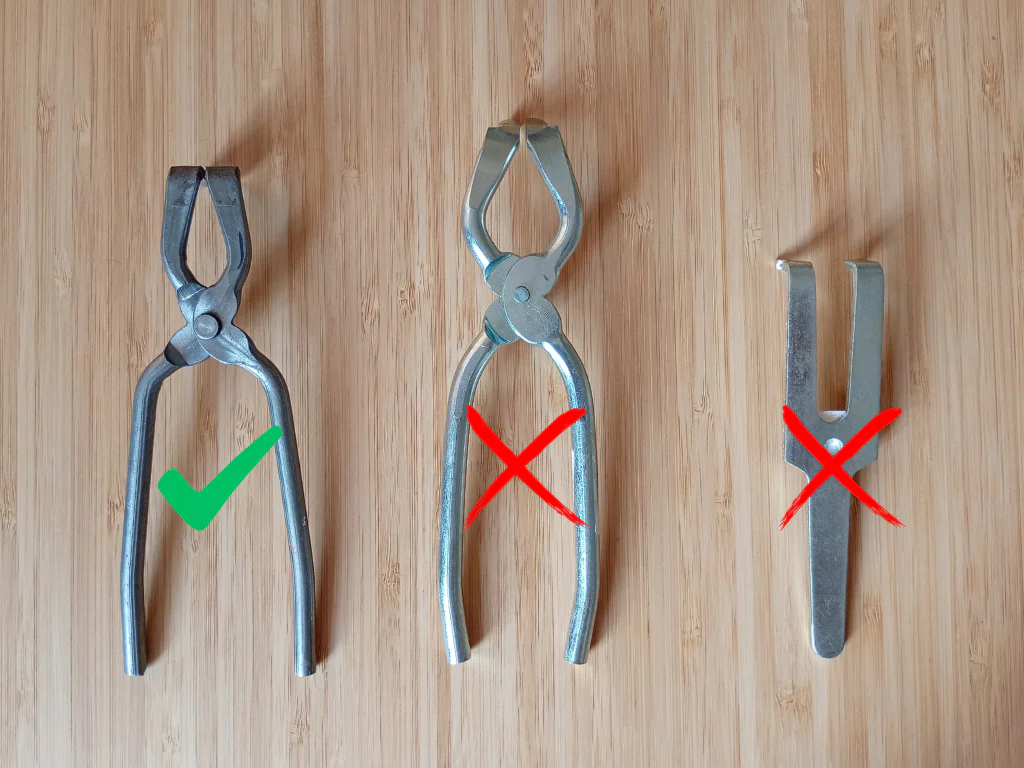
This guide will help you differentiate between a good Putange tool and a bad Putange tool. I can tell you this because I’ve bought all three pincers, and I’ve tested all three of them.
When you’re a mole trapper, you test a lot of trapping equipment, but you only keep the good stuff because you want to work with tools that actually work.
So, I’m going to introduce you to the three Putange tools, starting with the best one, the one I recommend you buy.
The best tool for the Putange mole trap The best Putange tool is this one:
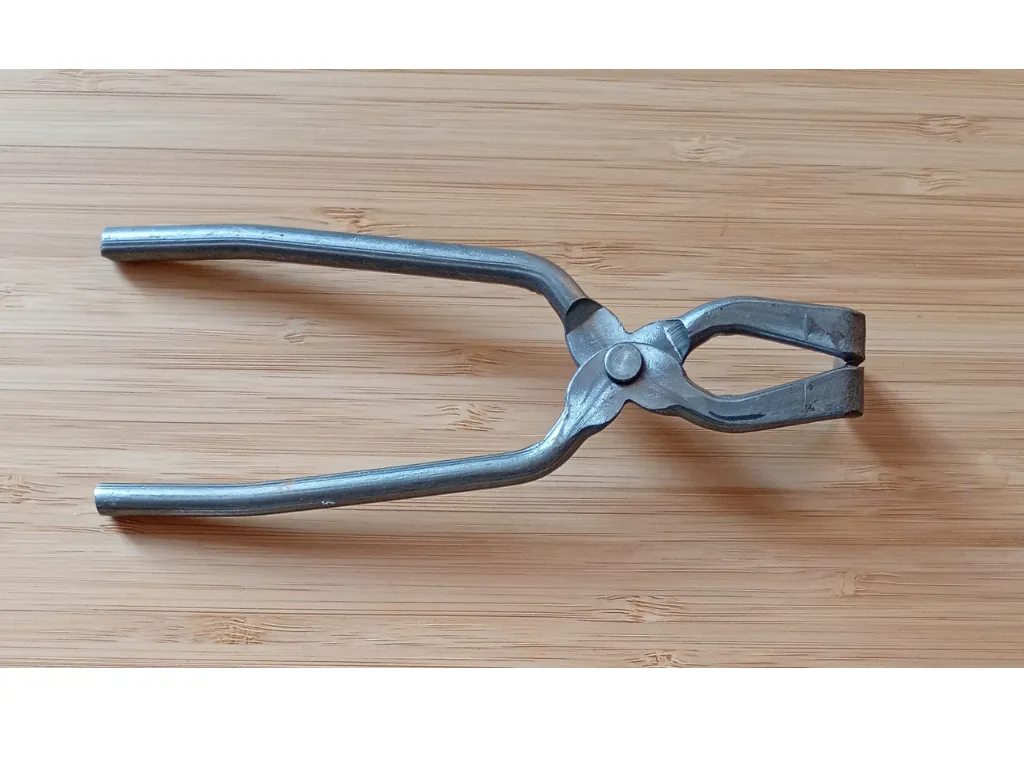
Why is this the best Putange pincer and why should you buy it?
Because it’s mobile, which means it’s easy to use. All you have to do is place it between the branches of the trap and squeeze its handle to open the Putange.
And the advantage of these pincers is that they open the Putange trap enough to allow you to insert the trigger horizontally, an essential technique that we detail in our guide on how to place the trigger like a professional.
It’s very important to place the trigger horizontally, and you’ll see that with the Chinese copy of these pincers, you won’t be able to do that.

These Putange mole trap pincers also allow you to hold the trap securely without any risk of it slipping or snapping shut in your hands.
These pincers are what allow you to set the trap easily, and they are the only ones we sell on QuickTaupe.
They are made in France, are robust, and made from quality steel that will last you a lifetime. They won’t wear out, get stuck, or bend. You’ll still be able to use them in 40 years without any difficulty.
This is the only tool that allows you to apply the necessary force to set the Putange trap and place the trigger horizontally.
You can buy it on our QuickTaupe website right here:


The Chinese copy of the original Putange tool
The tool we’re going to look at now looks a lot like the first one, but they have nothing in common.

I call it the Chinese copy of the traditional Putange tool because I asked the person who sold it to me where it came from and if their factory manufactured it.
As it turns out, they imported it directly from China.
Since I had never used it and was curious, I bought four of them to start, and right out of the box, I grabbed one to try it with a Putange.
The first thing that surprised me was that the end of the pincers has an angle that causes the tool to be elevated relative to the trap when you open the Putange trap. I’ll show you:

And manipulating and opening the trap is really not practical at all.
But the second thing that surprised me was that the pincers, even when squeezed as much as possible until the two arms of the pincers touched, are completely unable to open the Putange trap enough to place the trigger horizontally.

And I didn’t expect that; it’s a fundamental part of trapping.
So, these pincers are a so-called Putange tool, made to open Putange traps, yet they don’t even allow you to open them enough.
And on top of that, they add an unbearable angle when you’re handling the trap.
The simplified and fixed Putange tool
The last Putange tool I wanted to talk about is the flat tool for opening the mole trap. It’s fixed and made from a single, rigid block of steel.
I also bought these pincers, but they stay at the bottom of my toolbox. I’d say their only advantage is that they’re sold at a very low price, but that makes perfect sense once you’ve tested them.

The first thing I noticed—and this is why I don’t sell them on QuickTaupe and don’t use them either—is that they slip. And when I say they slip, it’s really fast!
You place the Putange tool between the trap’s branches, and all of a sudden, it gets misaligned, the trap snaps shut, and the pincers fly out. And let me tell you, it’s better not to have your fingers in the trap at that moment!

A customer review on Amazon

Another customer review on Amazon
It has happened to me, and it’s surprising because you don’t expect it at all, and it’s very, very unpleasant.
But that’s not all; the second problem with these Putange tools is that they aren’t mobile, so they’re less easy to use, and they’re much thinner.
And you’ll see with every person who has trapped moles with the flat pincers, they always end up bending and becoming unusable.

These are flaws you will never have with the first pincers I showed you, which I recommend you buy if you are looking for a Putange tool to open and set your traps.


