Mole
Moles: From pup to adulthood
The mole is a stealthy creature that burrows beneath your garden, bringing new molehills to the surface every day. If you’ve got them, you might be wondering about their reproduction. Perhaps you’re concerned a baby mole or a whole family of pups could arrive and multiply the number of earth mounds on your lawn.
The persistence of moles is a constant challenge. This article will take a detailed look at the mole’s reproductive process. You’ll discover that their breeding cycle is a fascinating part of their existence.
An effective solution for mole control.


We’ll cover everything from the birth of a baby mole to its journey to adulthood, exploring each developmental stage along the way. We’ll also clear up the common question: “What do you call a baby mole?”
Get ready to dive deep beneath the soil and understand who exactly is living in your garden’s underground world.
The Mole’s Unique Breeding Cycle
The common mole, or Talpa Europaea, is the species found throughout Europe. This small, tireless burrowing mammal has a very specific reproductive cycle.
Moles typically breed only once a year, with mating occurring in March. During this season, male moles will travel great distances to find a female. It’s also at this time that you might see male moles fighting.
After mating, the male returns to his tunnels and plays no role in raising the young; that responsibility falls entirely to the female.
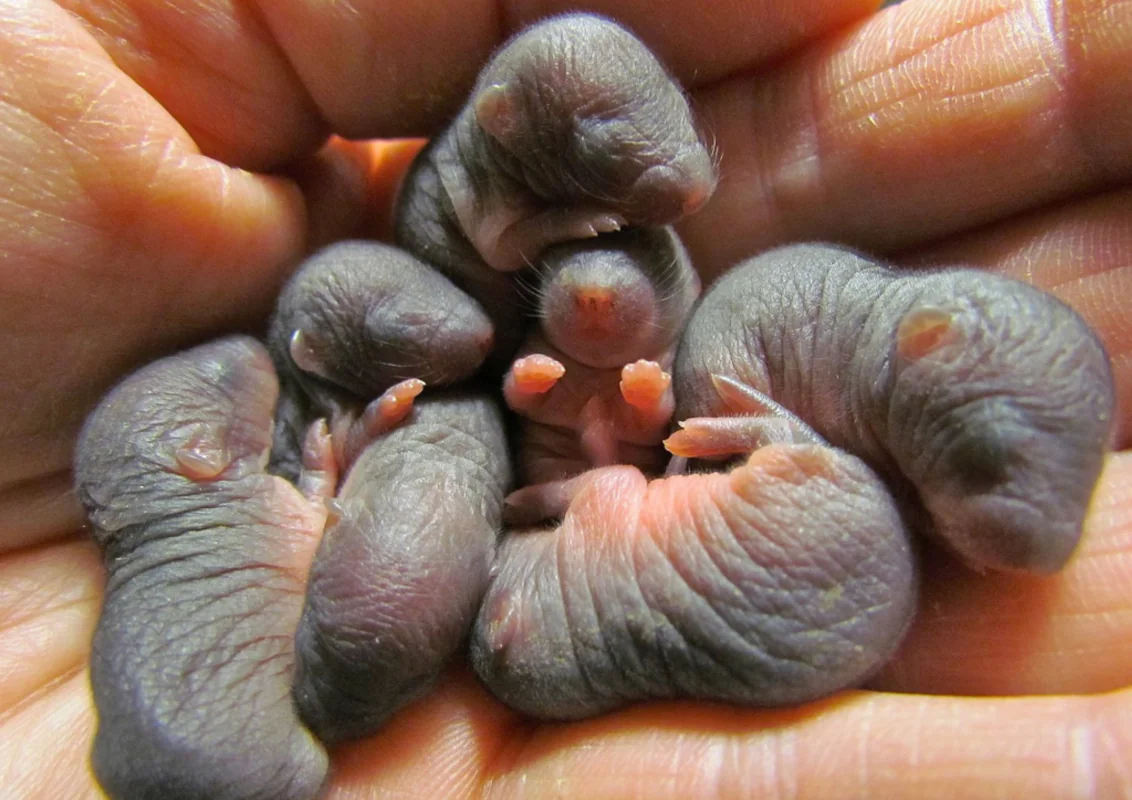
The gestation period for baby moles lasts about four weeks. As mammals, they are then nursed by their mother for six weeks.
1.From Birth to Independence: A Pup’s Development
Mole pups are usually born in April, in litters of 3 to 6, with an average of 4. At birth, they are completely red and hairless. Their skin then changes from pink to a grayish-blue, and finally to black.
Newborn moles weigh about 3.5 grams, a far cry from an adult’s 100 grams. Yet in just six weeks, they rapidly gain weight, reaching up to 60 grams.
The young moles are expelled from the nest by their mother after two months, or six weeks after birth. At this point, they are still very vulnerable, and their wandering makes them easy targets for predators. They simply don’t have the strength to dig deep enough tunnels yet.
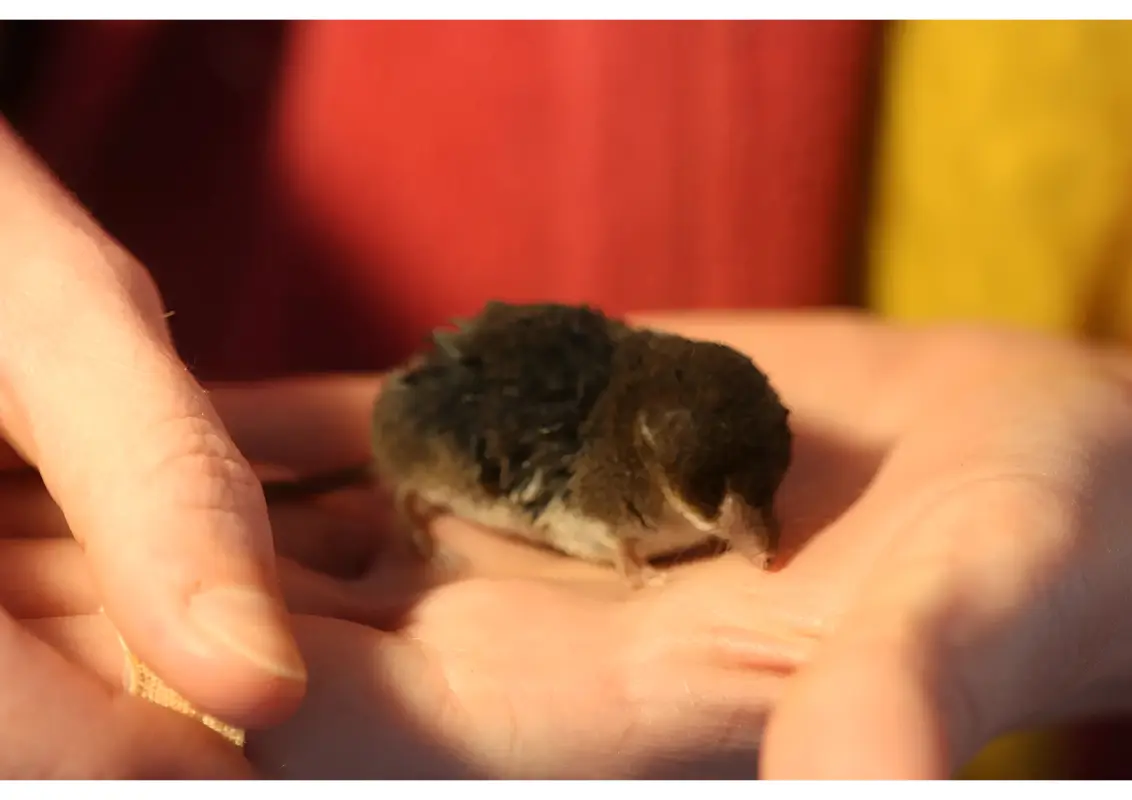
On average, only one in two moles survives this difficult period. After being forced from the nest, the young moles either search for abandoned tunnels or dig shallow ones of their own for protection.
Find the perfect kit to solve your mole problem for good.
It’s worth noting that there is no official term for a baby mole, which is why we refer to them simply as “young moles” or “mole pups.”
2.The Nest’s Crucial Role in Raising Young
The nest is vital for raising baby moles. It’s often built within a large molehill and specially prepared to house the pups.
The bottom of the nest is lined with leaves, grass, or hay to create a stable and comfortable temperature. The fermentation of these plants also generates warmth.
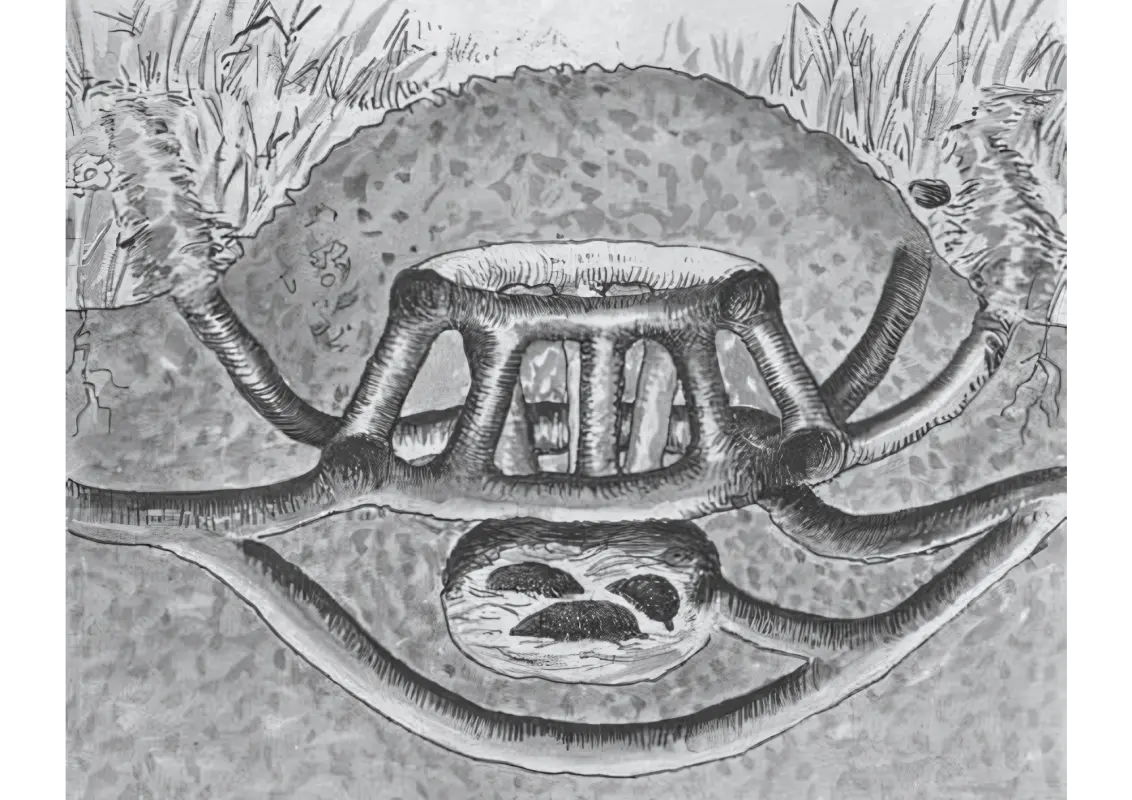
Nests are typically oriented toward the south. To protect her litter, the mother mole is so diligent that she may move her young to a new nest up to six times.
Factors Affecting Mole Populations
Several factors can influence and pose a threat to mole reproduction and population numbers:
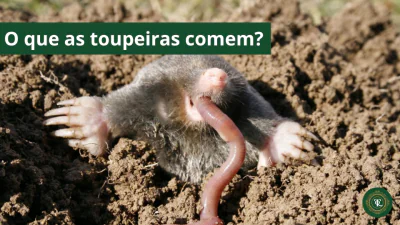
- Food availability: Moles mainly eat earthworms, needing to consume 80% of their body weight in worms every day. Areas with a high concentration of earthworms are therefore more favorable for breeding.
- Predators: Moles have many predators, including tawny owls, weasels, foxes, and cats. A decrease in predator populations can also lead to more moles in an area.
- Environmental conditions: Some regions are more arid, and prolonged droughts can make finding earthworms more difficult. It’s also tougher to dig new tunnels, which can significantly increase the death rate among young moles.
3.Mole Lifespan and Dispersion
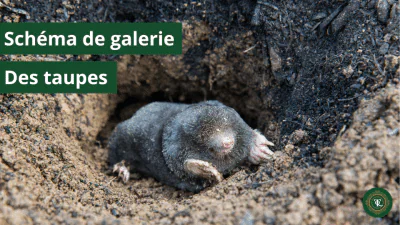
A mole in the wild lives for 3 to 5 years. After leaving the nest, young moles either find empty tunnels or create their own. A single mole’s tunnel network can extend up to 250 meters!
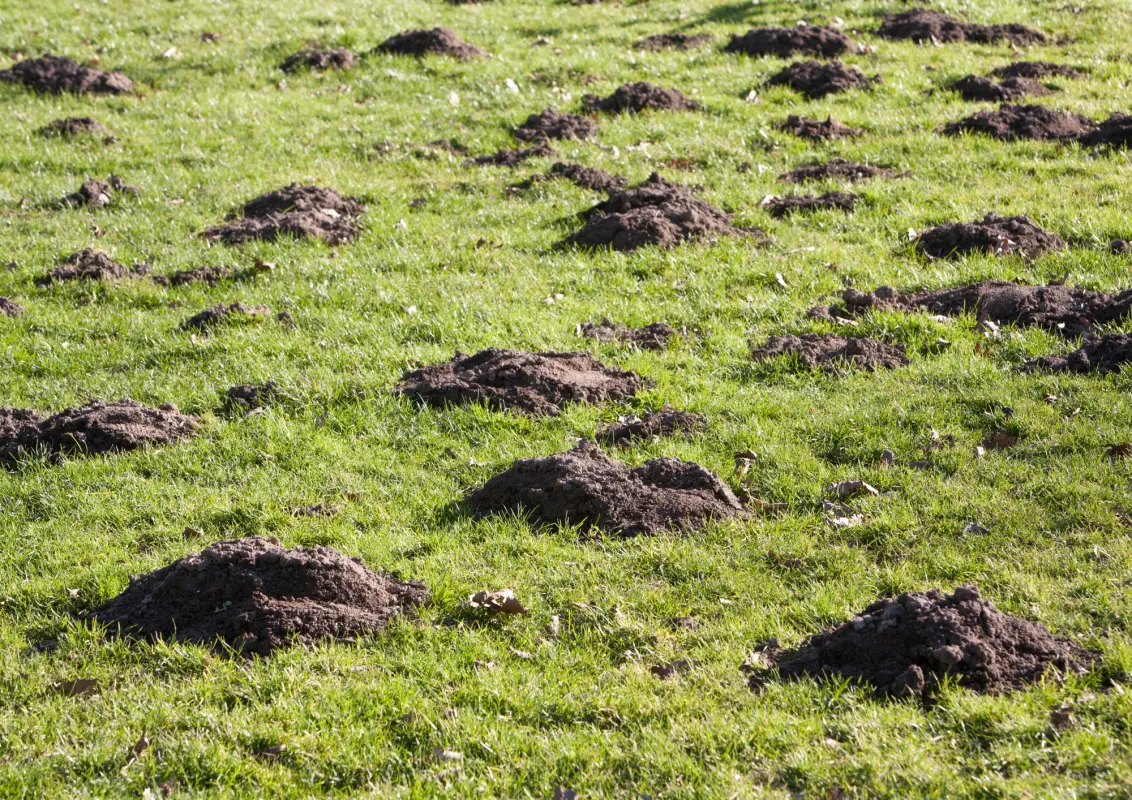
The dispersion of young moles is a key factor in how they colonize new territories. Once they reach maturity, these young moles are also able to reproduce, continuing their species’ life cycle.
Moles are solitary animals, so each one maintains its own independent tunnel system.
4.Mole Reproduction: A Delicate Balance
In conclusion, mole reproduction is a complex and fascinating process. Understanding their life cycle and needs is essential for appreciating their role in the ecosystem and adopting proper, eco-friendly control methods. Moles are often seen as pests because of the molehills they create daily, but they are not currently a threatened species.
If you’re looking for solutions to keep moles out of your garden, our website specializes in just that. Feel free to visit our store to explore the solutions we offer, all of which prioritize a respectful approach to both the animals and the environment.
Ready to fight back against moles? Check out our top-sellers!